Spring Plumbing and Heating Checklist for Calgary Homeowners

Calgary's heating season is one of the longest and most demanding in the country. From late September through to April, your furnace, hot water tank, and humidifier run near-continuously, your plumbing endures months of freeze-thaw stres…
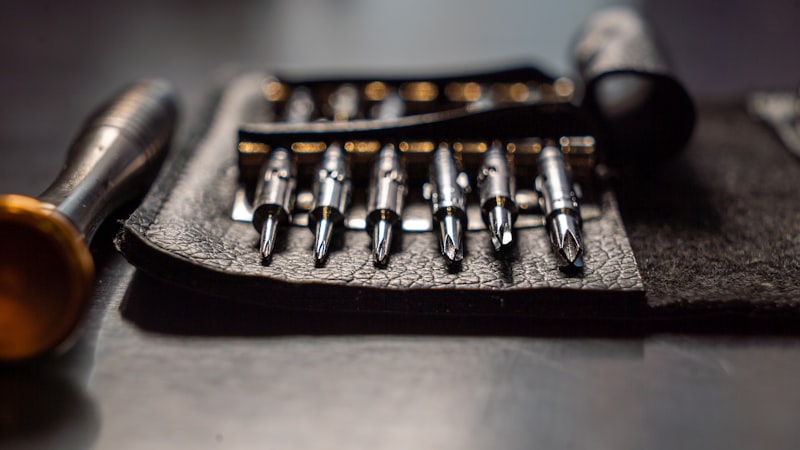
Our licensed technicians arrive prepared with the right tools for every job.
Calgary’s heating season is one of the longest and most demanding in the country. From late September through to April, your furnace, hot water tank, and humidifier run near-continuously, your plumbing endures months of freeze-thaw stress, and your drains quietly accumulate the residue of a full winter of indoor use. When the snow finally melts and the ground starts to thaw, spring is not just a fresh start. It is the season when everything winter did to your home’s systems becomes visible.
The good news is that most spring plumbing and heating problems are cheap and easy to fix when caught early. Ignored, many of them become emergency repairs. This checklist covers the most important things to check on a Calgary home in April and May, in order of urgency.
1. Check Your Outdoor Taps and Hose Bibs First
Outdoor taps, also called hose bibs, are the most common casualty of a Calgary winter. Even frost-free taps, which are designed to drain themselves when not in use, can freeze if a garden hose was left connected through the cold months. A connected hose traps water in the tap body and prevents it from draining, and that water expands when it freezes, cracking the internal valve or the connected pipe inside the wall.
In spring, the damage is not always immediately obvious. The tap may appear to work normally when you turn it on outdoors. The crack is often inside the wall, and you may not notice the leak until water has been silently soaking into the wall cavity or basement for days.
To check: reconnect your garden hose, turn the tap on fully, and walk inside to inspect the wall behind the tap location and the ceiling below it for any signs of moisture or dripping. If you find any, shut the water off to that tap and call a licensed plumber. Also check the tap for any reduction in pressure or flow, which can indicate a partially collapsed internal stem.
While you are at it
- Inspect the tap body and escutcheon for any visible cracks or gaps that opened during winter
- Check that the tap turns fully on and off without stiffness or leaking at the packing nut
- If you have an irrigation system, do not activate it until nighttime temperatures are reliably above 0°C to avoid re-freezing damage
2. Watch for Spring Thaw Sewer Backups
Spring is the single highest-risk season for sewer backups in Calgary, particularly in older established neighbourhoods. As the snowpack melts across the city and spring rains arrive, the volume of water entering the municipal sewer system increases dramatically. When the system becomes overwhelmed, the excess has to go somewhere. The path of least resistance is often back up through the drain connections into the lowest point of your home: the basement floor drain.
Calgary’s chinook-driven freeze-thaw cycles also place extraordinary stress on underground sewer pipes. Soil that repeatedly freezes and thaws shifts and expands, and pipe joints that have contracted and expanded dozens of times over a winter can crack, settle, or misalign. Tree roots become active again in spring and actively seek out any new crack or gap in a sewer line. The result is that spring is when latent sewer line damage from winter tends to make itself known.
The City of Calgary’s climate guidance for homeowners specifically recommends locating your floor drain, clean-out sewer line, and backflow prevention device as part of proactive spring preparation.
Warning signs of a developing sewer problem
- Multiple drains in your home running slowly at the same time, which indicates a main line issue rather than a local clog
- Gurgling sounds from floor drains or toilet bases when other fixtures are used
- A sewage smell in the basement without an obvious source
- Water backing up into the basement floor drain or a basement shower
If you notice any of these signs, call a licensed plumber promptly. A sewer camera inspection can identify the exact location and nature of the problem before it escalates to a full backup. If your home does not have a backwater valve on the main sewer line, spring is the ideal time to have one installed. A backwater valve is a one-way flap that prevents municipal sewer water from flowing back into your home during an overload event. Homes built in Calgary after 1988 should have one installed. If yours does not, or if you are unsure, ask a licensed plumber to check.
3. Flush and Inspect Your Hot Water Tank
Your hot water tank has just come through its hardest stretch of the year. Through a Calgary winter, incoming cold water is significantly colder than in summer, meaning the tank runs longer heating cycles and works harder from October through April. If sediment has been building up from Calgary’s hard water supply during that time, spring is when the effects are most pronounced.
Spring is the ideal time to have your tank flushed. Flushing removes the layer of calcium and mineral sediment that has accumulated at the bottom of the tank over the heating season, restores the tank’s efficiency, and reduces the popping and rumbling noises that many homeowners live with unnecessarily. It is also an opportunity to have the anode rod inspected, which is the sacrificial component that protects the tank from internal corrosion and deteriorates faster in Calgary’s hard water. ATCO Energy recommends flushing every six months specifically for Calgary homeowners due to the city’s hard water.
What to look for on a spring tank inspection
- Moisture, rust, or corrosion around the base of the tank or at fittings and connections
- Popping, rumbling, or banging during heating cycles, indicating heavy sediment
- Inconsistent water temperature or hot water that runs out faster than expected
- A tank approaching or past the 10-year mark that has not been professionally assessed recently
You can read more about our [hot water heater services] if you would like a professional to complete this service.
4. Shut Down and Service Your Whole-Home Humidifier
As Calgary’s outdoor humidity climbs through spring and into summer, your whole-home humidifier is no longer needed. In fact, leaving it running after the heating season ends can actually over-humidify your home, contributing to condensation on windows, mould growth in ductwork, and unnecessary wear on the unit.
Spring shutdown involves closing the bypass damper on bypass-style humidifiers, turning off the water supply to the unit, and having the humidifier pad replaced or at minimum inspected. After a full heating season, the evaporator pad will have accumulated a season’s worth of mineral deposits from Calgary’s hard water. A pad left in place over summer provides an ideal environment for mould and bacteria to develop, which then gets distributed through your ductwork when you reactivate the humidifier in the fall.
The simplest approach is to have a licensed technician complete the shutdown service in spring and the startup service in the fall. This ensures the pad is fresh, the solenoid valve is clear, and the humidistat is calibrated correctly at each end of the season. Our humidifier service page covers what this service includes in more detail.
5. Check Your Drains After a Long Winter
Winter is hard on drains. Months of reduced outdoor activity means all household grease, soap scum, hair, and debris goes into the same indoor drains without the regular flushing that summer activities provide. By spring, slow drains in the kitchen and bathrooms are extremely common in Calgary homes, and many of them are quietly building toward a blockage.
Run each sink, shower, and tub and observe how quickly the water drains. If any fixture is noticeably slower than it should be, addressing it now is significantly easier and less expensive than clearing a full blockage later. Also check for any unpleasant odours coming from drains, which can indicate trapped debris or, in the case of floor drains that rarely see use, a dried trap that is allowing sewer gas into the home.
The floor drain trap
Floor drains in Calgary basements, laundry rooms, and utility spaces often go months without use through winter. The water in the trap can evaporate completely, eliminating the water seal that blocks sewer gas from entering the space. If you notice a sulphur or sewage smell in your basement in spring, pour a litre of water down every floor drain to reseal the traps. If the smell persists after doing this, the issue is further down the line and requires a drain cleaning service.
6. Inspect Your Furnace After Heating Season Ends
While spring is not the peak time to book furnace repairs, it is a smart time for a quick inspection and filter change before you put the system into standby for the warmer months.
Replace your furnace filter if it has not been changed since before winter. A filter that has been running since September has captured an entire heating season’s worth of dust, pet dander, and particulates, and leaving it in place through summer restricts airflow and makes the furnace work harder when it starts back up in the fall. This is also a good time to note whether the furnace behaved unusually over winter, including any strange noises, short cycling, or cold spots in the house, and to flag these to a technician at the next service visit.
For high-efficiency furnaces, check that the condensate drain line is clear. A blocked condensate line is one of the most common causes of furnace shutdowns and is far easier to clear in spring than in the middle of a January cold snap.
7. Check Your Gas Line Connections on Outdoor Appliances
If you have a natural gas BBQ line, outdoor fire table, patio heater, or garage heater that was either disconnected or unused over winter, spring is the time to reconnect and test it before your first use of the season.
Inspect any flexible connectors and fittings at outdoor gas appliances for signs of cracking or corrosion that may have developed over winter. Before your first use of the season, apply a small amount of soapy water to each gas connection with the gas turned on. Bubbles forming at a joint indicate a small leak that should be repaired by a licensed gas fitter before the appliance is used. Never attempt to repair a gas connection yourself.
If you had your gas BBQ line winterised by shutting off the supply valve, confirm the valve operates freely before opening it for the season. A valve that has seized or is difficult to operate should be assessed by a licensed gas fitter.
A Note on Spring Thaw and Your Foundation
Calgary’s spring thaw creates significant groundwater pressure around home foundations, particularly during rapid snowmelt or when heavy spring rain follows a late snowfall. If your home has a sump pump, test it now by slowly pouring water into the pit and confirming it activates and drains properly. A sump pump that fails during spring melt can result in basement flooding that causes thousands of dollars in damage.
Also walk the perimeter of your home after the snow has cleared and check that the ground slopes away from the foundation. Any low spots where water pools against the foundation wall create sustained moisture pressure that can lead to seepage. Simple regrading with topsoil is an inexpensive fix that pays significant dividends in keeping basements dry.
Spring Is the Best Time to Be Proactive
The pattern with home plumbing and heating problems is consistent. They are small and inexpensive in spring, larger and more disruptive in summer, and emergencies by winter. Calgary’s long heating season is hard on every system in the house, and the April and May window is the best opportunity to catch what winter left behind before it compounds into something more serious.
Work through this checklist over the next few weekends. The items that go beyond a simple visual check, including the hot water tank flush, the humidifier service, the drain inspection, and any gas line concerns, are all straightforward service calls that take a couple of hours and cost a fraction of what they cost if left until they become failures.
R N T Plumbing and Heating has been helping Calgary homeowners stay ahead of plumbing and heating problems for over 30 years. Our licensed plumbers and technicians are available for spring inspections, hot water tank service, drain cleaning, humidifier shutdown, and emergency plumbing calls across Calgary, Airdrie, Okotoks, and Strathmore. Call (825) 883-9264 or request a quote online.