Furnace Tune-Up vs. Furnace Repair: Which One Does Your Home Need This Fall?

A furnace tune-up and a furnace repair are not the same thing. A tune-up is planned maintenance on a furnace that works; a repair is a fix for a furnace that is failing. Here is what a tune-up includes, the five signs you need a repair instead, the symptoms that mean stop and call immediately, what each one costs in Alberta, and how to think about the repair-or-replace question on an aging furnace.
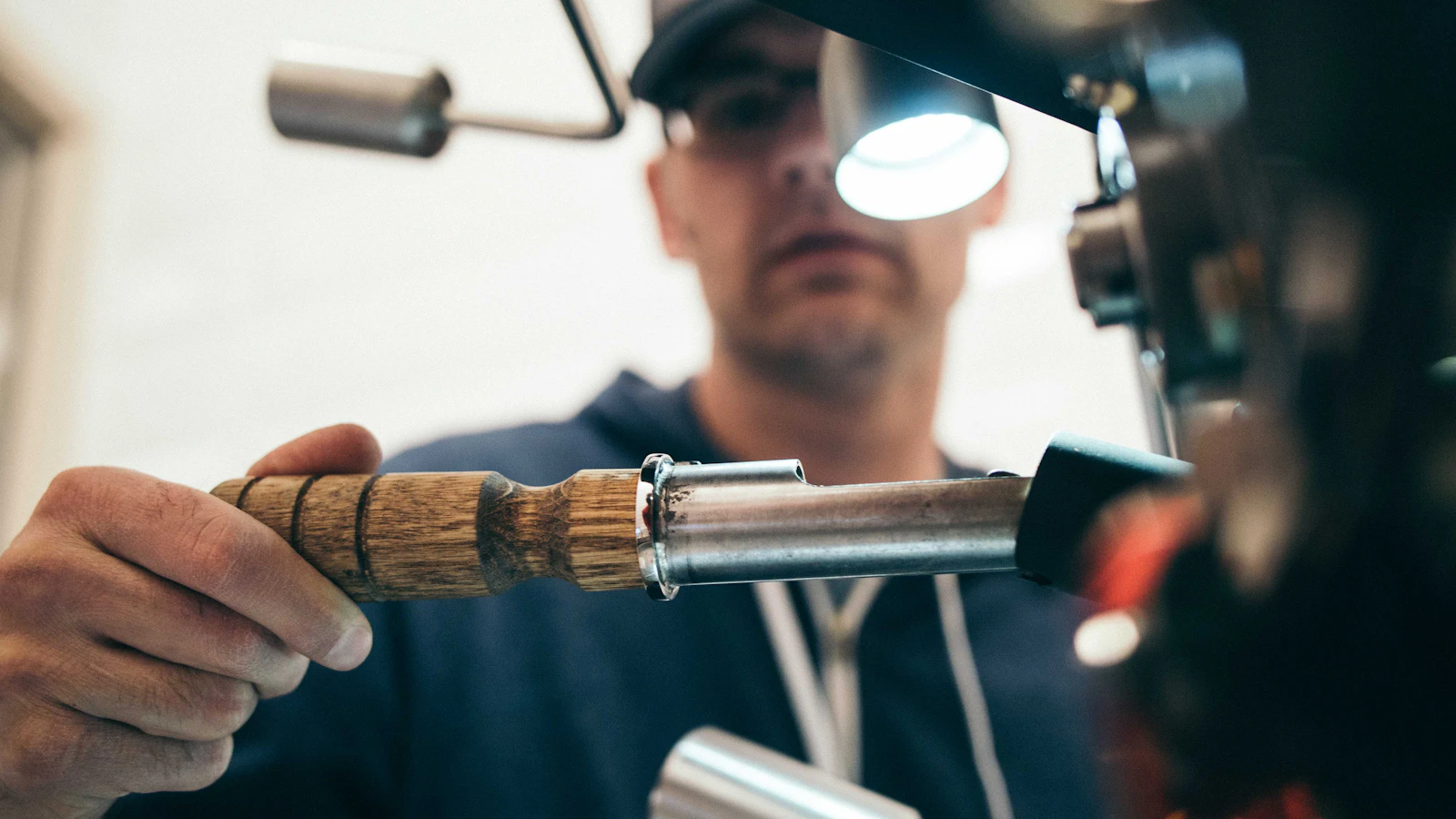
Our licensed technicians arrive prepared with the right tools for every job.
Somewhere between the first cold night and the first no-heat phone call of the season, every Alberta homeowner asks the same question: does my furnace need a tune-up, or does it need a repair? The two get treated like the same thing, and they are not. A tune-up is planned maintenance on a furnace that works. A repair is an intervention on a furnace that has stopped working, is failing intermittently, or is showing signs of a specific problem. Knowing which one you need is the difference between a convenient appointment in early October and an emergency visit on the coldest night of the year.
This guide covers what a furnace tune-up actually includes, the signs that mean you need a repair instead, the warning signs that mean you need one immediately, and what either one should cost in Alberta.
What a Furnace Tune-Up Actually Includes
A tune-up is not a filter change with a flashlight. A professional furnace tune-up in Alberta should include a full cleaning and inspection sequence: cleaning the blower assembly and flame sensor, inspecting the heat exchanger for cracks, testing the ignition system, checking the gas pressure and burner combustion, testing the safety and limit switches, measuring the temperature rise across the system, checking the venting and combustion air supply, and verifying the thermostat operation.
The heat exchanger inspection is the part most homeowners do not realize they are paying for, and it is the part that matters most. A cracked heat exchanger can allow carbon monoxide into your home's air supply. It is invisible, it develops slowly, and it is the reason a no-heat call in February is sometimes really a safety issue in disguise. A tune-up catches it while it is a conversation about options, not a middle-of-the-night evacuation.
Rule of thumb: if your furnace is running normally and is simply due for its annual service, you need a tune-up. If your furnace is doing anything unusual, you need a diagnosis, and then a repair. When in doubt, describe the symptom to the person who answers the phone. That one question usually sorts it out.
How to Tell You Need a Repair, Not a Tune-Up
A tune-up will not fix a furnace that already has a problem. Here are the symptoms that mean you should book a repair, not a service appointment.
1. Your furnace is short cycling
A furnace that starts, runs for a couple of minutes, and shuts back down before the house warms up is short cycling. In Alberta homes the common causes are a dirty flame sensor, an oversized furnace, a clogged filter restricting airflow, or a failing limit switch. Short cycling wears out components years ahead of schedule because the start-up sequence is the hardest part of every cycle. If it is happening more than occasionally, book a repair.
2. Some rooms are cold while others are warm
Uneven heating across the house is not usually a furnace failure at all. It is often ductwork, balance, or insulation. But it can also be a furnace that is no longer producing enough heat rise to push warm air to the far ends of the system, which is a burner or blower problem. A technician can measure the temperature rise across the furnace and tell you which one you are dealing with in one visit.
3. Your gas bill has climbed without an explanation
A furnace that is running less efficiently costs more every month. If your gas usage is noticeably up compared to the same months last year and your habits have not changed, the furnace is the first place to look. Dirty burners, a failing igniter requiring multiple attempts, and a worn blower motor all show up in your gas bill before they show up anywhere else.
4. The furnace is loud, or it sounds different than it used to
Scraping, grinding, or squealing usually points to a blower motor or bearing problem. Rumbling or booming on start-up can mean delayed ignition, which is a burner problem that should be diagnosed promptly. A furnace that simply sounds different than it did last year is always worth a phone call.
5. The pilot or ignition keeps failing
A furnace that needs two or three attempts to start has a failing igniter or a dirty flame sensor. It will get worse, and the failure that finally sticks will land on a cold night. This is a cheap repair today and a no-heat emergency in January.
Stop and Call Immediately If You See These
- Yellow or orange flames instead of blue. Natural gas should burn blue. Discoloured flame can indicate a combustion problem and should be checked promptly.
- A smell of gas or sulphur/rotten eggs. Leave the house, do not operate light switches, and call ATCO's 24-hour emergency line at 1-800-511-3447 from outside.
- Soot or scorch marks around the burner compartment or register vents. Do not run the furnace. Have it inspected before it runs again.
- Family members with unexplained headaches, nausea, or dizziness while the furnace runs. Leave the house, get fresh air, and have the furnace and your CO detectors checked immediately.
What a Tune-Up and a Repair Cost in Alberta
A professional furnace tune-up in the Calgary area typically runs in the range of $150 to $250 depending on the company and what the service includes. Repairs depend entirely on the part and the diagnosis. A flame sensor cleaning or igniter replacement is a modest repair, often in the $150 to $400 range. A blower motor or control board replacement is a larger repair, typically several hundred dollars to over a thousand. A cracked heat exchanger changes the conversation entirely, because on a furnace past a certain age it is usually the sign that replacement, not repair, is the right call.
This is why the tune-up pays for itself. A diagnostic visit that finds a worn igniter in October is a small repair. The same part failing in January is the same repair plus an emergency call, plus the nights your family spent waiting for it, plus whatever happened to your pipes while the house was cold.
The Age Question: Repair or Replace?
The average gas furnace in Alberta lasts 15 to 20 years, and it works harder here than almost anywhere in the country. As a rough guide: a furnace under 10 years old with a single failed component is usually worth repairing. A furnace between 10 and 15 with a major component failure deserves a conversation about replacement before you put significant money into it. A furnace past 15 with any major failure is usually a replacement candidate, because the next component is rarely far behind the last one. A licensed technician can give you the honest math on both paths, including operating cost savings from a modern high-efficiency unit.
Book It Now, While the Schedule Is Still Yours
The pattern repeats every single year in Alberta. From the first sustained cold snap onward, heating companies are booked with no-heat calls and every appointment becomes harder to get. In September and early October, a tune-up is an appointment you choose. In November and December, it is an appointment you take. If your furnace is running fine, book the tune-up. If it is doing anything on the list above, book the repair now rather than letting the cold decide the timing. Contact us and we will get you on the schedule.
Related R N T Services
For professional help, see our Calgary furnace repair. You can also explore furnace installation. You can also explore 24/7 emergency service.